
YOUR AMAZING BODY
How much do you know about your amazing body? You are more remarkable than you ever imagined!
And some of these amazing answers will help you live longer and age more slowly.
15 INTERESTING FACTS AND RESEARCH PERSPECTIVES IN DAILY PARTS
YOUR AMAZING BODY NO. 13
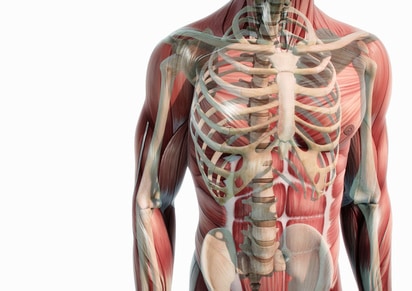
How often does your skeleton renew itself?
Every 10 years. However, different parts of the body renew at varying speeds – depending on how much work cells need to do.
Neurons in the cerebral cortex – the brain’s outer layer that controls memory, language and consciousness – last from birth to death (as do DNA cells). Because brain cells aren’t replaced, the loss or damage of these cells can cause dysfunction like dementia. But the hippocampus that is involved in learning can and does rejuvenate.
Bones: Cells in the skeletal system regenerate almost constantly, but the complete process takes a full 10 years. The renewal process slows down as we age, so our bones get thinner.
Hair has a life span of about six years for women and three years for men. Each hair grows about 5 inches (12.7 cm) every year. Your fingernails are made of keratin, like your hair, and grow at an average of 4 cm per year.
Liver: The liver, the body’s detoxifier, helps defend itself against damage from those toxins by renewing itself with new cells every 20 to 70 weeks.
Skin: As the body’s outermost layer of protection, the epidermis is subject to a lot of wear and tear. Skin cells rejuvenate every two to four weeks. And you shed about 600,000 particles of skin an hour.
Stomach and Intestines: Cells that line the surface of the stomach and intestines are constantly attacked by corrosive stomach acids, so they typically last only up to five days.
Neutrophils are white blood cells and are the most abundant type of cell in what’s called the innate immune system. The latest science indicates they last 3- 5 days.
You actually have two immune systems – the innate immune system, which patrols the body looking for ‘foreign invader threats’, and the acquired immune system, where antibodies recognise previously encountered bacterial or viral threats and create a defence against them.
The number and activity of neutrophils can be increased by an interesting nutrient called 1-3, 1-6 beta-glucans, derived from the cell wall of baker’s yeast. It therefore acts as a natural but powerful immune booster.